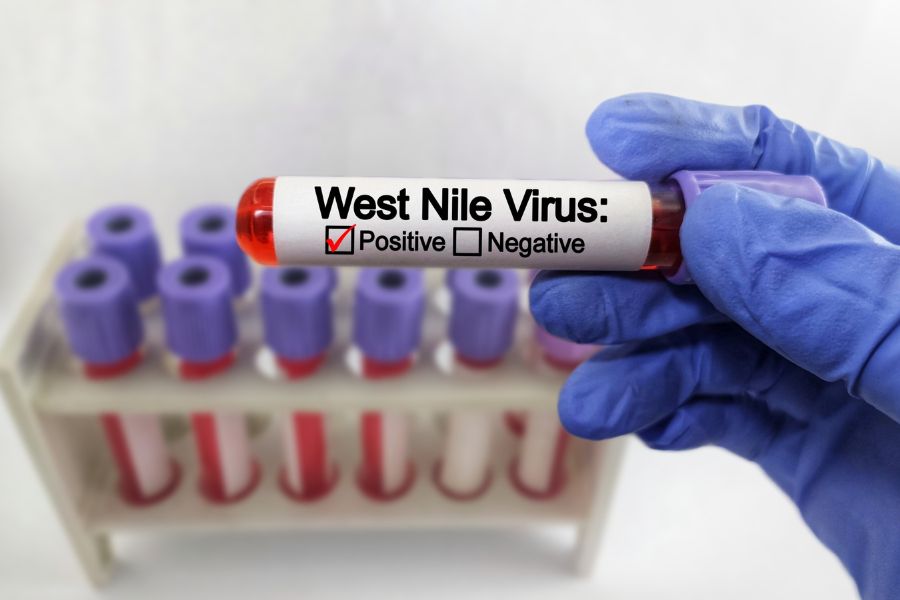
One topic we get asked about fairly frequently when we visit the homes and businesses surrounding our area in Georgia is about the various mosquito-borne diseases in Georgia. While we would certainly refer anyone to speak with a doctor if they have a serious concern (such as active symptoms), we can provide some guidance here as to the various mosquito illnesses that show up in our state:
Georgia is home to several mosquito-borne diseases, including West Nile virus, Eastern Equine Encephalitis (EEE), and La Crosse Encephalitis, which are transmitted by local mosquito species. Less common diseases like Zika virus, Chikungunya, and Dengue fever may also occur due to travel-related cases.
These illnesses can cause symptoms ranging from mild fever and fatigue to severe neurological complications, making mosquito control a big deal for managing the health of your family.
In this article, we’ll cover what the each of these illnesses are, their symptoms, and provide some guidance on how to protect your family.
What Is West Nile Virus?
Though West Nile Virus (WNV) is the mosquito illness most in Georgia have heard of, we’ll cover it here since many folks don’t actually know much about it.
West Nile Virus (WNV) is a mosquito-borne illness caused by a virus commonly spread through the bite of infected mosquitoes. In Georgia, it is one of the most prevalent mosquito-borne diseases, particularly during the warmer months when mosquito activity peaks. WNV is primarily transmitted by Culex mosquitoes, which are commonly found in urban and suburban areas.
How common is WNV?
West Nile Virus is by far the most common mosquito borne illness in Georgia, but even so, it’s fairly rare. There are around 2500 reported cases per year. However, as we’ll discuss in the next section, it’s likely that many cases go unreported since not every case is severe enough to warrant a trip to the doctor.
Symptoms of West Nile Virus
Most people infected with WNV experience no symptoms at all. However, about 20% of individuals may develop mild symptoms such as:
In severe cases, particularly in older adults or individuals with weakened immune systems, WNV can lead to serious neurological complications such as:
What Is La Crosse Encephalitis?
La Crosse Encephalitis (LAC) is a mosquito-borne disease caused by the La Crosse virus, primarily transmitted by Aedes triseriatus, also known as the treehole mosquito. These mosquitoes breed in wooded areas and are often found in tree holes or artificial containers like tires. LAC is most commonly reported in children under the age of 16 and is less common than other mosquito-borne illnesses in Georgia, but it can still pose significant health risks.
How common is LAC?
La Crosse Encephalitis is a much more rare disease than West Nile Virus, but it should be take seriously, as complications from this virus can lead to lifelong complications, especially in children.
Symptoms of La Crosse Encephalitis
Symptoms of LAC typically appear 5 to 15 days after being bitten by an infected mosquito. These may range from mild to severe and include:
Severe cases are rare but more likely to occur in children, as their immune systems may be less capable of combating the virus. While fatalities are rare, complications can lead to lifelong neurological impairments.
What Is Eastern Equine Encephalitis?
Eastern Equine Encephalitis (EEE) is the most rare Georgia mosquito disease, but we’ll mention it here because it’s a more serious mosquito-borne disease caused by a virus transmitted primarily through the bite of infected Culiseta melanura mosquitoes.
While EEE is relatively uncommon in Georgia, it is one of the most dangerous mosquito-borne illnesses due to its high fatality rate in severe cases. EEE can infect humans, horses, and some bird species, with horses being particularly vulnerable.
How common is EEE?
As mentioned above, EEE is extremely rare in the United States, but cases should be taken seriously, as they can sometimes be fatal. There are often less than 5-10 cases of EEE reported each year.
Symptoms of Eastern Equine Encephalitis
EEE symptoms typically develop 4 to 10 days after being bitten by an infected mosquito. Symptoms range from mild to severe and include:
Severe cases can lead to permanent neurological damage or death, particularly in older adults, young children, and individuals with weakened immune systems. The fatality rate in severe cases of EEE can be as high as 30-70%.
While EEE is rare, its severity makes prevention critical. If you experience symptoms, especially severe neurological signs, seek medical attention immediately. Prompt care is essential to reduce the risks associated with this dangerous disease.
Reducing your risk of mosquito bites is the best way to prevent West Nile Virus. Here are some safety tips that may or may not apply to your particular situation:
First, eliminate standing water if you’re able to; this will be their primary breeding ground. Regularly empty containers like flowerpots, buckets, bird baths, and gutters.
Next, use mosquito repellants. Though solutions vary, we recommend EPA-approved repellents containing DEET, picaridin, or oil of lemon eucalyptus when spending time outdoors. If you so desire, you can even mix up some DIY mosquito repellents that sometimes work fairly well!
Additionally, adding barriers like screens to your patios and doors can be a big help in keeping the mosquitoes out of your house, and wearing protective clothing can go a long way towards keeping them off of you when you’re outside (long sleeves, long pants, socks, etc.)
It is especially helpful to wear these protective layers during the hours of dawn and dusk, when mosquitoes are most active.
Lastly, schedule a professional mosquito control service to come to your property if the problem is persistent. Depending on where you are in Georgia, you may have them worse than your neighbors or friends.
By following these preventative measures, you can minimize your exposure to the mosquito diseases in Georgia and enjoy the outdoors safely. If you experience symptoms of any of these diseases, especially severe ones, consult a healthcare provider immediately.
As we’ve stated above, contact a physician if you’re having symptoms. Reading articles such as these is no substitute for the hands-on wisdom of your primary care provider.
If you’re looking for ways to decrease the mosquito populations on your property generally, reach out to a mosquito control service. If you’re anywhere near the Dawsonville, Cumming, Gainesville area, give us a call! We’d be happy to come out, walk your property, and provide some suggestions, and discuss our mosquito barrier and organic mosquito control services.